
CAPTAIN FLOW
Controller of water currents for smoother sailing all the
way.
Read More








CAPTAIN FLOW
Controller of water flows, for smoother sailing all the
way.
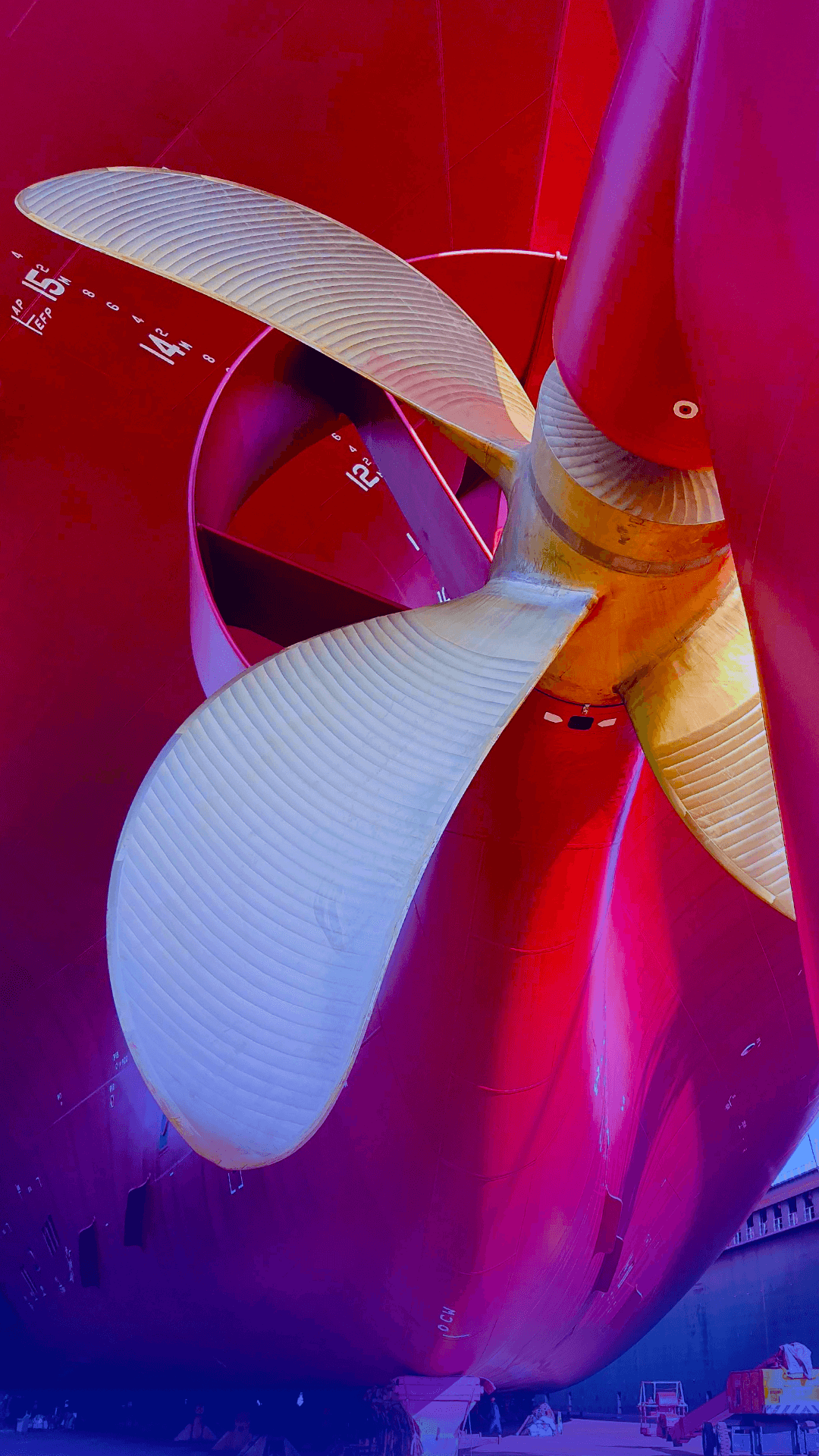
Pre-swirl Duct is an advanced,
energy-efficient device installed in front of a ship's
propeller. It combines a duct and fins to improve water
flow into the propeller, minimising drag while enhancing
a vessel's hydrodynamic performance. This helps reduce
fuel consumption, carbon emissions and operational
costs, providing both economic and environmental
benefits.
The Pre-swirl Duct, aka Captain Flow, is one of our
Future Culture Heroes, designed to help MISC Group bring
about a sea change in environment sustainability. Read
about our other Heroes
here.
CAPTAIN FLOW
Controller of water currents for smoother sailing all the
way.
THE
GLIDER OF TIDES
Battles friction with a breath of fresh air.
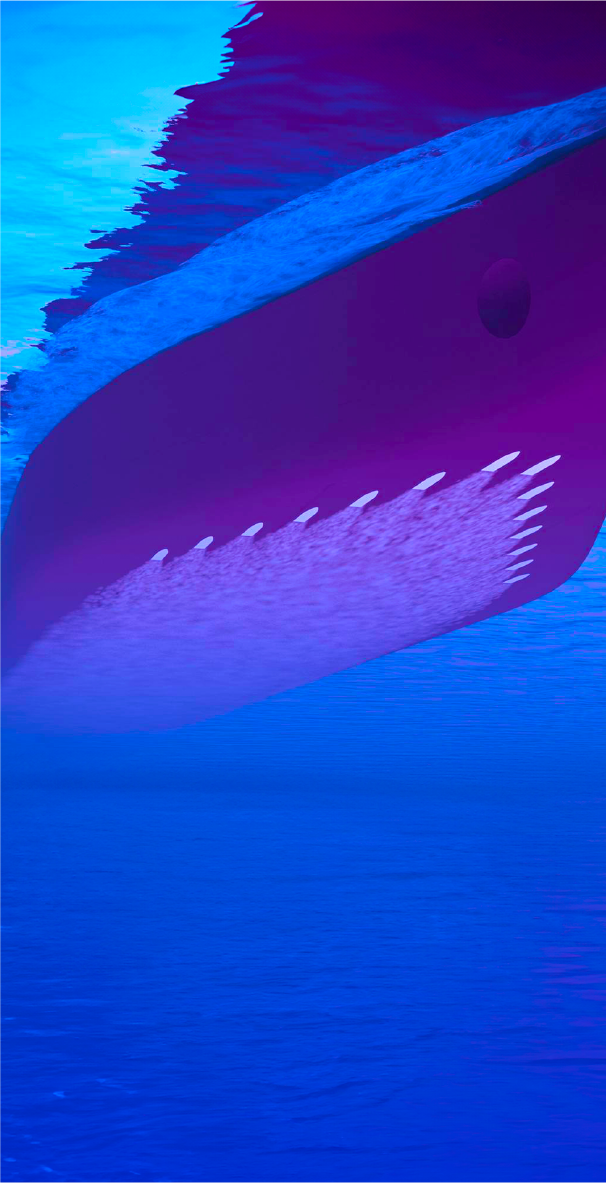
If you've ever seen massive vessels gliding
elegantly through waves, it's likely that they employ a
sophisticated Air Lubrication Technology (ALS). This
system works by reducing friction between a vessel's
hull and the water by creating a layer of air bubbles
under the vessels, enabling a vessel to move through
water more seamlessly, reducing drag and resistance. In
turn, this helps reduce fuel consumption and, by
extension, lower CO2 emissions, making marine
transportation more efficient, more cost-effective and
more eco-friendly.
The Glider of Tides is another way MISC Group is
smoothening the way forward towards more sustainable
maritime environments, and is one of our Future Culture
Heroes. Read more about other Heroes
here.
THE
GLIDER OF TIDES
Battles friction with a breath of fresh air.
THE MMEGA
MARVEL
Towards leaner, greener deep-water production
facilities.
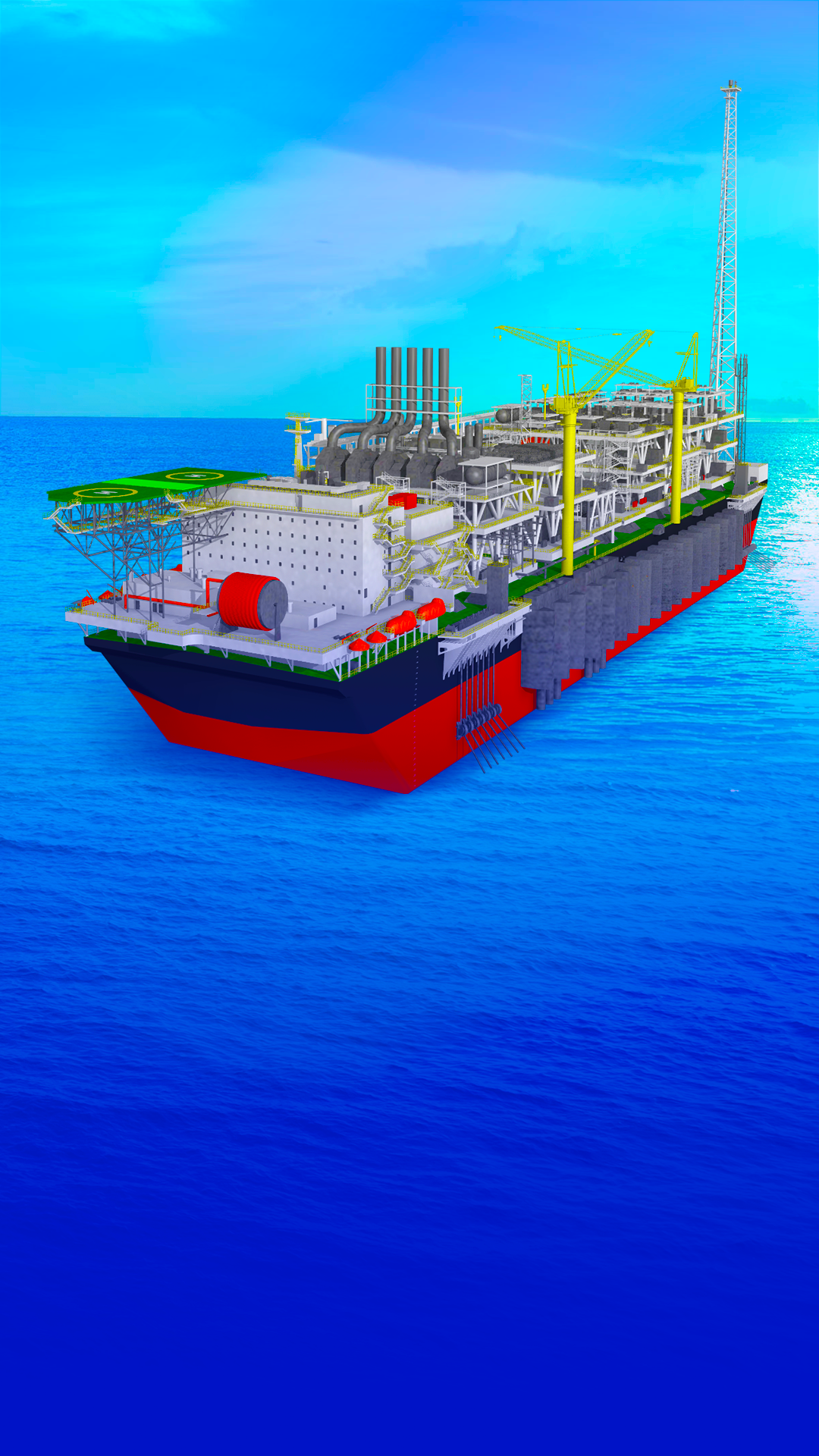
What does the future of greener, more efficient, more
sustainable FPSOs look like? For MISC Group, it comes in
the form of the MMEGA (Mega-Module Engineering & Green
Architecture), our future-ready, Newbuild Floating
Production Storage & Offloading (NBFPSO) Unit. The
world's first newbuilt FPSO with innovative mega-module
topsides, that minimizes interfaces and improves system
integration. This helps in reducing the project schedule
and also the capital expenditure. It is a much-needed
solution for deepwater and ultra-deepwater fields with
high production capacity.
MMEGA is also purpose-designed with advanced sustainable
technologies to help make it among the world's greenest
FPSOs.
Gas Flare Recovery System: This system is designed to
capture and reuse gas that would otherwise be flared
(burned), reducing carbon emissions and improving energy
efficiency.
Waste Heat Recovery System: This component will capture
excess heat generated by operations and repurpose it to
power other parts of the FPSO, cutting down on the need
for additional fuel consumption.
CO2 Recovery Features: Carbon emissions from
the well stream will potentially be completely recovered
for reinjection into the reservoir, or repurposed for
others, preventing release into the atmosphere.
Energy-Efficient Power Generation: The MMEGA will employ
more energy-efficient Combined Cycle Power Generation
System, which reduce fuel consumption and lower
emissions, making the power generation process more
sustainable.
Water and Waste Treatment Systems: Advanced onboard
systems will be incorporated to treat produced water and
handle waste more effectively, preventing pollution and
protecting marine ecosystems.
Together with an all-electric drive for its compression
system, MMEGA is expected to reduce greenhouse gas
emissions by 40% - among the highest reduction levels in
the world - and has been granted an
approval-in-principle by the American Bureau of Shipping
(ABS) with Sustain-1 Notation.
MMEGA, is at the forefront of MISC Group's vision to
build a more sustainable maritime industry and is one of
our Future Culture Heroes. Read about our other Heroes
here.
THE MMEGA
MARVEL
Towards leaner, greener deep-water production facilities.
THE
FANTASTIC FUEL
Electrifyingly clean power for the future.
A key pursuit in creating a more sustainable
maritime industry - and most industries in general - is
the pioneering of clean, renewable energy. Green
hydrogen is one such source of energy, with
bleeding-edge fuel cell technology that can convert
chemical energy into electrical energy, potentially
replacing traditional engines that burn fuel.
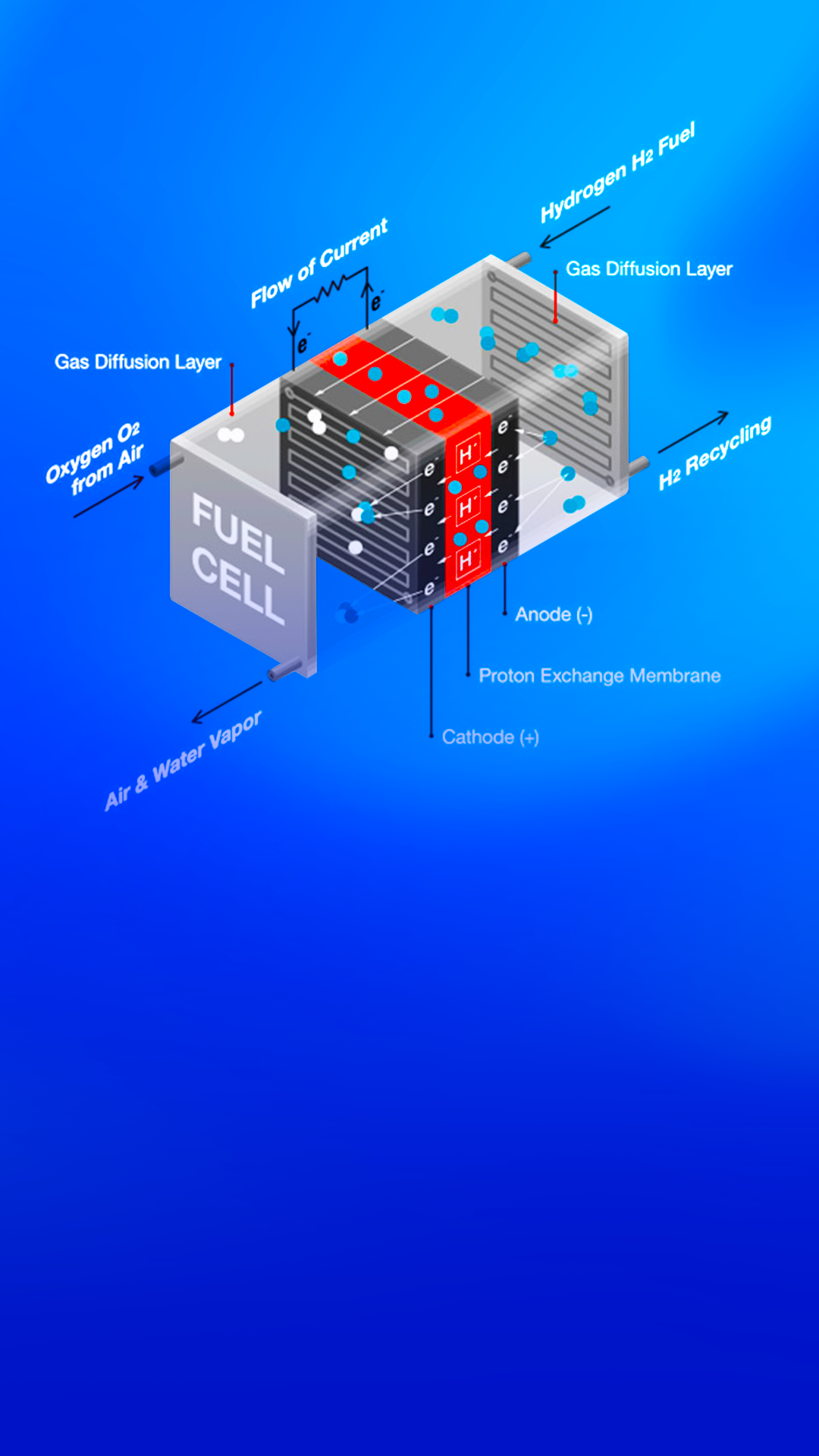
Fuel cells essentially work by generating
electricity through a chemical reaction between hydrogen
and oxygen. The hydrogen is supplied to the positive
side of a fuel cell, where it is split into protons and
electrons. The negatively charged electron move through
a circuit, generating electricity. After that, the
electrons combine with the protons and oxygen from the
air and leave behind the fuel cell's by-products - water
and heat.
This fantastically clean source of energy is now being
applied to parts of vessels such as those governing
auxiliary power, reducing reliance on diesel generators.
A key goal of MISC Group is to use fuel cells to power a
vessel's main engines, therefore providing a more
eco-efficient alternative to conventional marine engines
- and enabling ships to become significantly more
environmentally-friendly.
The Fantastic Fuel,
one of MISC Group's Future Culture Heroes, is set to
power the Group's ambition of creating more sustainable
maritime solutions for safer seas. Read more about other
Heroes
here.
THE
FANTASTIC FUEL
Electrifyingly clean power for the future.
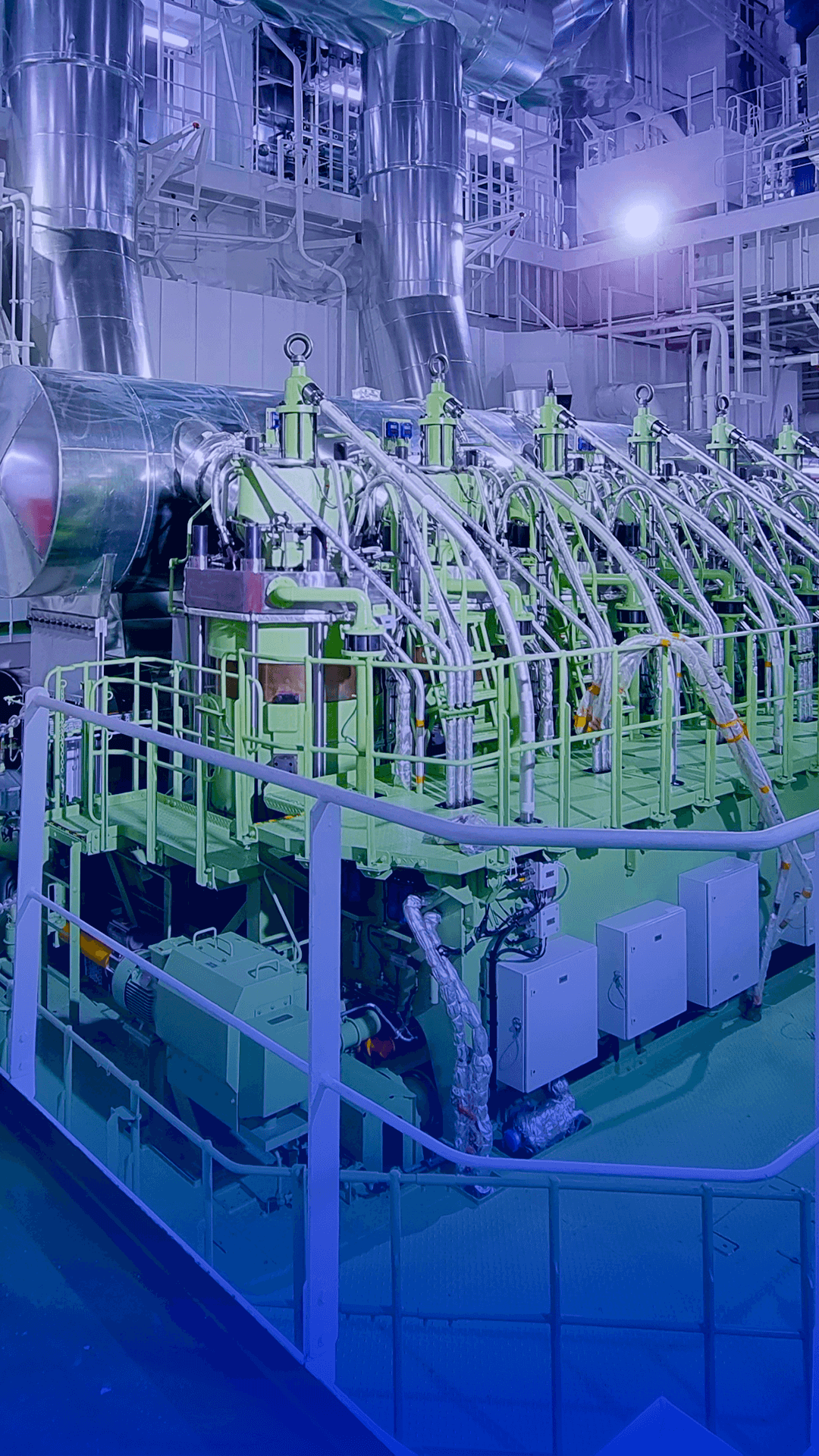
THE X FACTOR
The best of both worlds, for a greener world.
One vessel, two fuels. This is made possible
by WIN GD X-DF Engine technology, which allows the
flexibility to switch between a traditional marine fuel,
and cleaner-burning Liquefied Natural Gas (LNG). A
dual-fuel system can help significantly lower emissions
and reduce fuel consumption, leading to more sustainable
marine transportation. The ability to switch between two
fuels also provides greater operational versatility,
particularly when operating in regions with stricter
regulations.
In adopting WIN GD X-DF Engine
technology, the MISC Group fleet also benefit from the
use of low-pressure LNG, a factor that increases both
safety and efficiency while lowering operational costs
and reducing maintenance needs. This is further
amplified by the effect of cleaner combustion, which not
only improves engine performance but leads to less wear
and tear, prolonging engine life and reducing waste.
Additionally, WIN GD X-DF Engine engines release less
CO2, nitrogen oxides (NOx), sulphur oxides
(SOx), and particulate matter when running on LNG,
helping the Group meet international environmental
regulations such as the IMO 2020 sulphur cap.
As one of MISC Group's Future Culture Heroes, this
Dynamic Duo is key to our plan to double down on
sustainability and bring safer seas to life. Read more
about other Heroes
here.
THE X FACTOR
The best of both worlds, for a greener world.
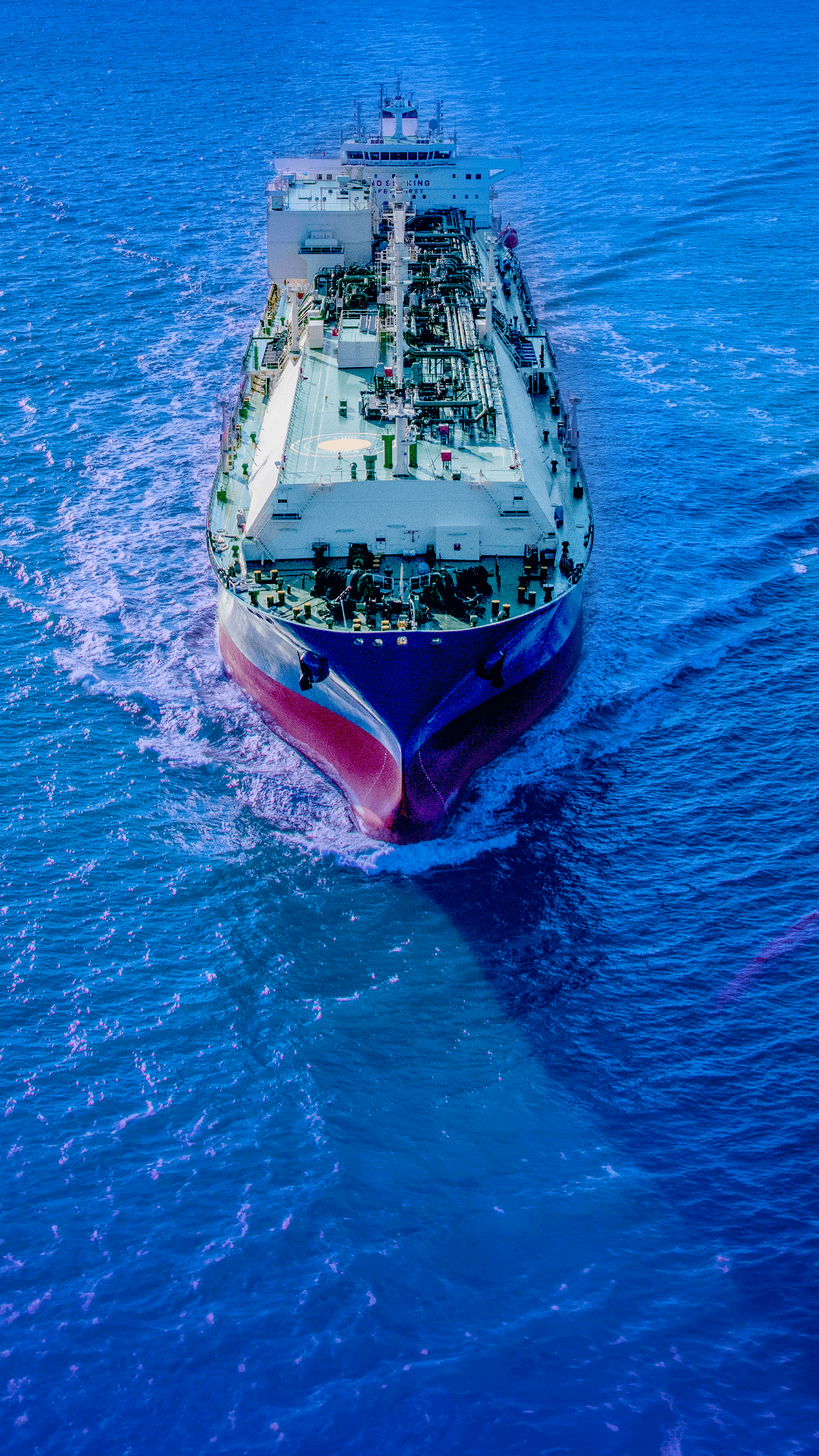
THE
ETHANE PARADIGM
The benchmark amongst VLECs.
Powered by a cutting-edge MAN B&W ME-GIE engine with
ethane-burning capabilities and an advanced Pump
Vaporizer Unit (PVU), our Seri E class - MISC's
erstwhile Ethane Exemplar - is one of the few vessels in
the world capable of burning ethane as fuel. Our six
Very Large Ethane Carriers (VLECs) built by Samsung
Heavy Industries and Hyundai Heavy Industries for MISC
Group is one of the largest ethane carriers globally,
incorporating with cryogenic tanks designed to store
liquefied ethane at extremely low temperatures,
maintaining its liquid state for safer, more reliable
transportation.
This vessel also features a
bevy of cutting-edge innovations such as multi-gas deep
well pumps, reliquefaction plants, and Boil-off Gas
(BOG) compressors, which enhance the efficiency of its
GTT Mark III Membrane cargo containment system. It also
features an LNG-ready notation and Selective Catalytic
Reduction (SCR) system to meet IMO Tier III emission
standards. Its advanced Gas Combustion Units (GCU) help
safely burn excess ethane gas to prevent venting in the
atmosphere, and its dual-fuel optimisation ensures both
operational efficiency and more eco-efficient fuelling.
Along with a host of energy-efficient design hallmarks,
from its optimised hull shape to biodiversity management
features, the Seri E class sets a new standard for
cleaner, safer maritime transportation, designed not
just to deliver improved fuel efficiency and regulatory
compliance, but also to significantly reduce
environmental impact.
The Ethane Paradigm part of MISC Group's next wave of
pioneering vessels, one of its Future Culture Heroes
dedicated to creating all-new paradigms in maritime
sustainability. Read about other Heroes
here.
THE
ETHANE PARADIGM
The benchmark amongst VLECs
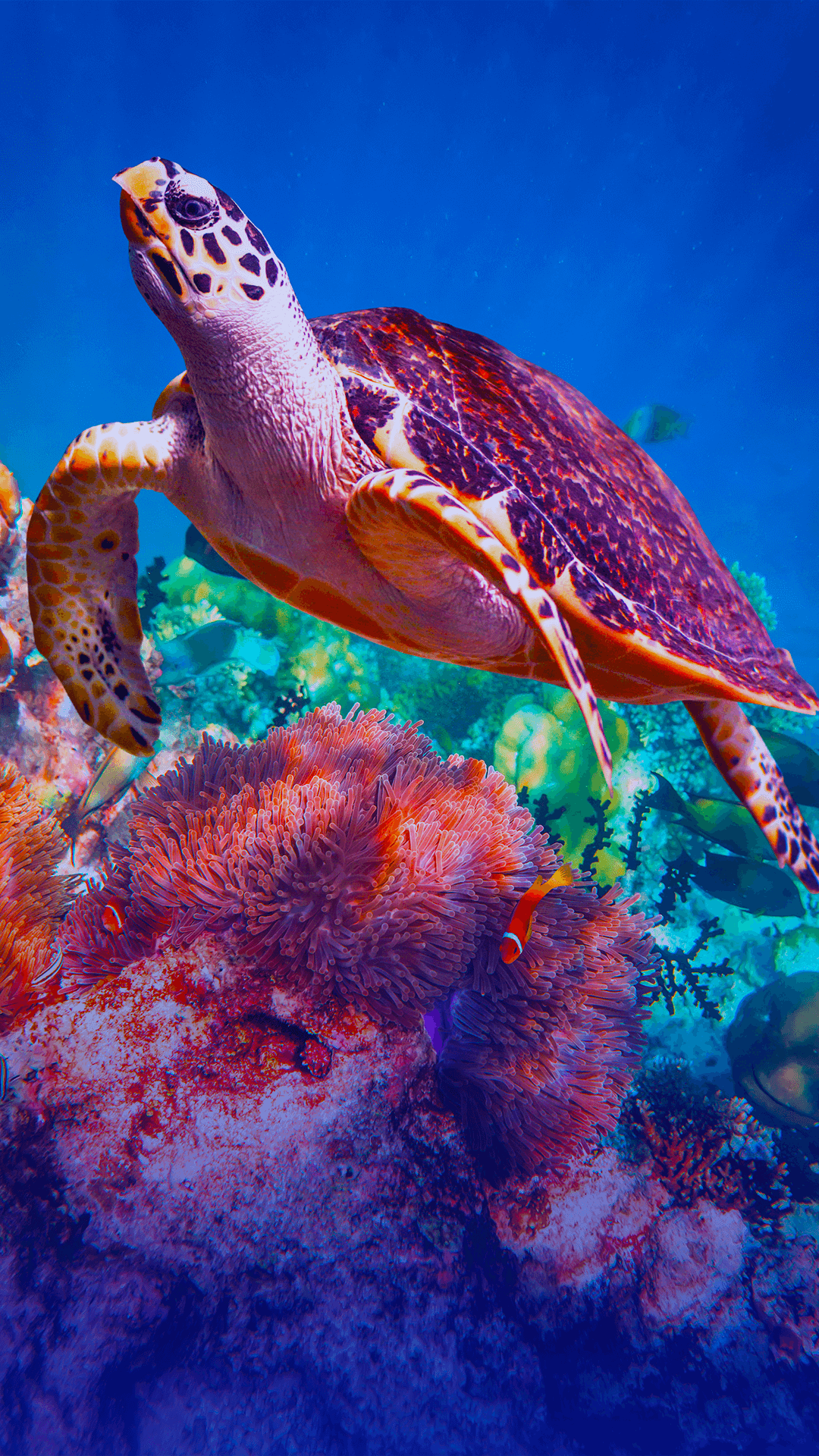
THE
ALL-ENCOMPASSING
HEART
Champion of biodiversity and conservation.
Inspired by the ocean and built on a love
for its biodiversity, The All Encompassing Heart is
personified in MISC Group's flagship Heart of the Ocean
programme, dedicated to safeguarding the well-being of
our marine environment, rooted on the profound
understanding of the ocean and how humanity relates to
it in order to protect and sustain it. Central to this
programme are two key conservation efforts: the Mersing
Islands Reef Conservation Initiative with Reef Check
Malaysia (RCM) and the UMT-MISC Marine Sea Turtle
Conservation Initiative. These signature projects focus
on protecting vital marine species and ecosystems,
aligning MISC Group's objectives with the global agenda
for ocean sustainability.
The Mersing Islands Reef Conservation Initiative is
designed to halt the further degradation of coral reefs
around the Mersing Islands, located off the east coast
of Malaysia. Coral reefs are crucial ecosystems,
providing habitats for diverse marine species,
protecting coastlines from erosion, and supporting local
economies through tourism and fishing. However, threats
like climate change and anthropogenic factors such as
pollution, and overfishing have impacted the health of
these reefs.
As part of this initiative, we engage in extensive reef
monitoring, ghost-net and underwater clean up, coral
rehabilitation efforts and recommendation of proper
solid waste management for the island community. A
critical component of the Mersing Islands initiative is
local community involvement, where we work closely with
island communities, tourism operators, and schools.
Another key initiative, a collaboration
between MISC Marine and Universiti Malaysia Terengganu
(UMT), focuses on the conservation of sea turtles. Sea
turtles are a keystone species in marine ecosystems, but
they are critically endangered due to factors such as
habitat destruction, accidental capture in fishing gear,
and pollution. One of the most significant efforts of
this initiative is improving and increasing the survival
rates of hatchlings from predators and human
interference. In addition to the conservation work, the
initiative also focused on educating the public on the
importance of sea turtle conservation.
A snapshot of our impact through these initiatives
include:
- 36 Reef Sites surveyed
- Over 10,000 kg of trash collected
- Over 1800 Individuals Engaged in our Programmes
-
77% Sea Turtle nest hatching rates
- 350 employees participated in volunteer programmes
The All-Encompassing Heart is at the centre of MISC
Group's mission to preserve the well-being of our oceans
and bring to life safer seas for everyone. It is also
one of the Group's Future Culture Heroes, which you can
read more about
here.
THE
ALL-ENCOMPASSING
HEART
Champion of biodiversity and conservation.
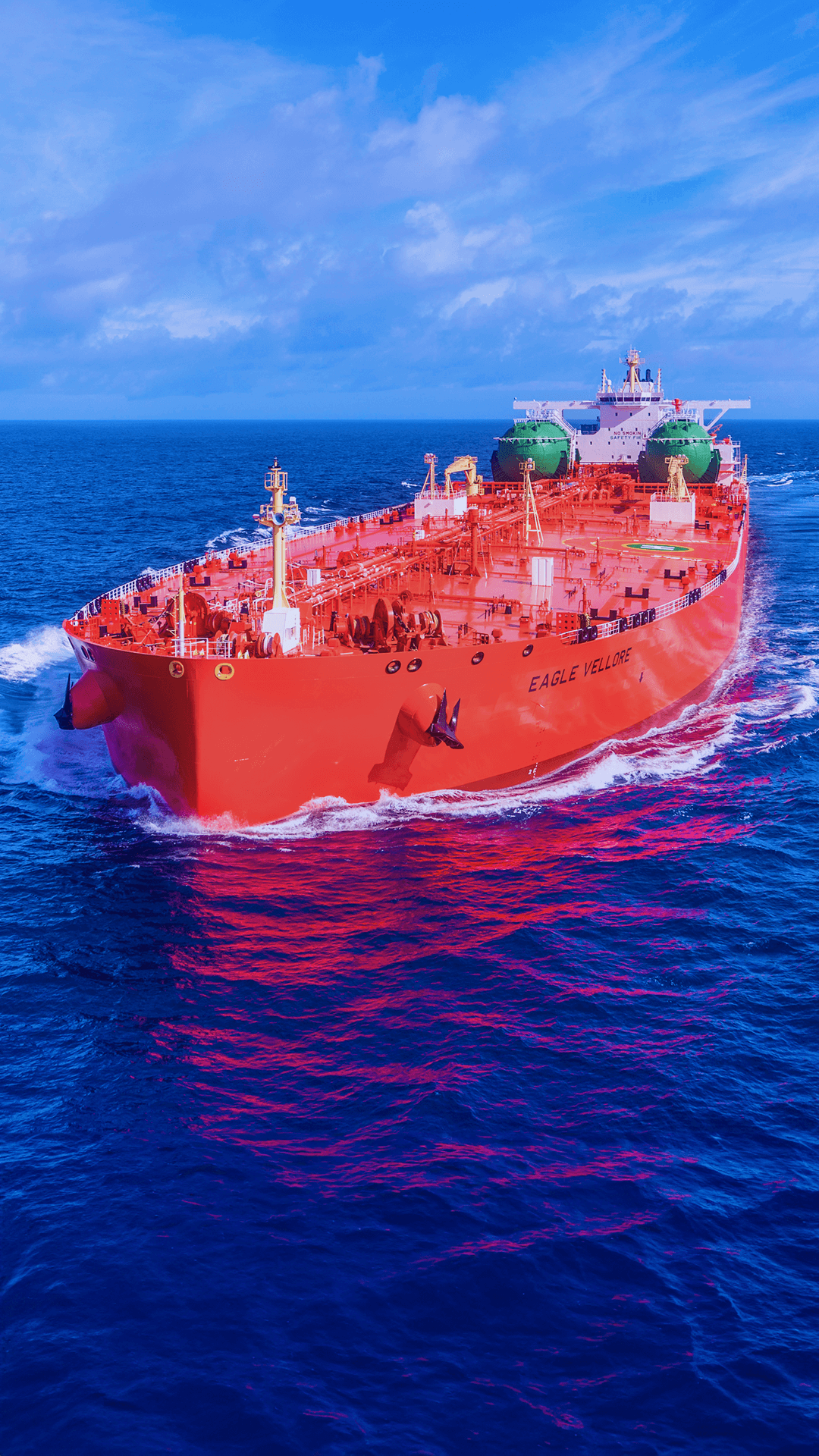
THE BEST OF
TWO WORLDS
Smarter fueling for greener futures.
MISC Group shifted to adapt LNG as a cleaner fuel since
2018. This has led to the creation and implementation of
dual-fuel technology - which ostensibly allows ships to
operate using two types of fuel, a conventional marine
fuel and cleaner alternatives like LNG, with a seamless
switch between the two based on operational needs.
Dual-fuel technology brings with it a host of
advantages, including significant reduction of carbon
dioxide (CO2), sulfur oxides (SOx), and
nitrogen oxides (NOx) emissions when using LNG. The use
of LNG, which emits approximately 20-30% less CO2
compared to conventional marine fuels, is a key
component in meeting the International Maritime
Organization (IMO) 2030 and 2050 decarbonisation
targets.
Additionally, the combination of LNG and advanced engine
design enhances overall fuel efficiency, leading to
lower fuel consumption and improved cost-effectiveness.
Dual fuel engines are built to adjust combustion
parameters automatically, ensuring optimal performance
regardless of the fuel type being used. The adoption of
this technology also ensures continued operation even if
one fuel system becomes unavailable or if one type of
fuel is more expensive or scarce in a given port. Apart
from that, this flexibility also allows vessels to use
LNG in areas where emissions are strictly regulated
(such as Emission Control Areas or ECAs) while retaining
the ability to switch to diesel in regions where LNG
infrastructure is still limited.
The Best of Two Worlds, embodied in advanced dual-fuel
technology, is one of MISC's Future Culture Heroes and a
pioneering innovation spearheading more sustainable
maritime operations. Read about other Heroes
here.
THE BEST OF
TWO WORLDS
Smarter fuelling for greener futures.

THE DEEPWATER
SENTINEL
Leading the way in deepwater decarbonisation.
FPSO Marechal Duque de Caxias is one of the world's
largest and most advanced ultra-deepwater Floating
Production Storage and Offloading (FPSO) units of its
kind. Designed for operations in Brazil's pre-salt
fields, this FPSO exemplifies cutting-edge technology
and sustainability in the offshore oil and gas industry.
Its key characteristics include:
- Massive Capacity: The FPSO has a production capacity
of 180,000 barrels of oil per day (bopd) and can store
up to 1.4 million barrels of crude oil, making it one of
the largest FPSOs of its kind globally.
- Ultra-Deepwater Capability: Operating in water depths
of over 2,000 meters, it is engineered to extract
resources from challenging deepwater environments.
- Gas Reinjection and CO2 Handling: Equipped
with advanced gas reinjection systems and carbon capture
technologies including Water Alternating Gas (WAG)
reinjection technology, it reinjects excess natural gas
and recovered CO2 back into reservoirs,
significantly reducing greenhouse gas emissions.
- Energy Efficiency: Incorporates high-efficiency power
generation systems, reducing fuel consumption and
minimising the carbon footprint of offshore production.
FPSO Marechal Duque de Caxias sets a new benchmark for
sustainable offshore operations, showcasing how
innovative technology can make ultra-deepwater projects
more efficient and less harmful to the environment.
Through advanced gas reinjection and CO2
handling technology, the FPSO minimises flaring and
overall emissions, making deepwater oil production more
environmentally friendly. Advanced energy-saving systems
onboard lower fuel to power ratio, aligning with global
efforts to decarbonise the offshore/maritime industry.
Additionally, by integrating smart features such as
predictive maintenance systems and advanced process
automation, MISC aims to optimise the operational
lifecycle of the FPSO.
By doing this, FPSO Marechal Duque de Caxias influences
the broader offshore, maritime and energy industries by
promoting the adoption of cleaner, more responsible
production practices, driving sustainability across the
entire value chain of offshore energy projects.
The Deepwater Sentinel extends MISC's sustainability
efforts into deepwater environments, expanding its reach
and impact on the global maritime industry as one of the
Group's Future Culture Heroes. Read about more Heroes
here.
THE DEEPWATER
SENTINEL
Leading the way in deepwater decarbonisation.
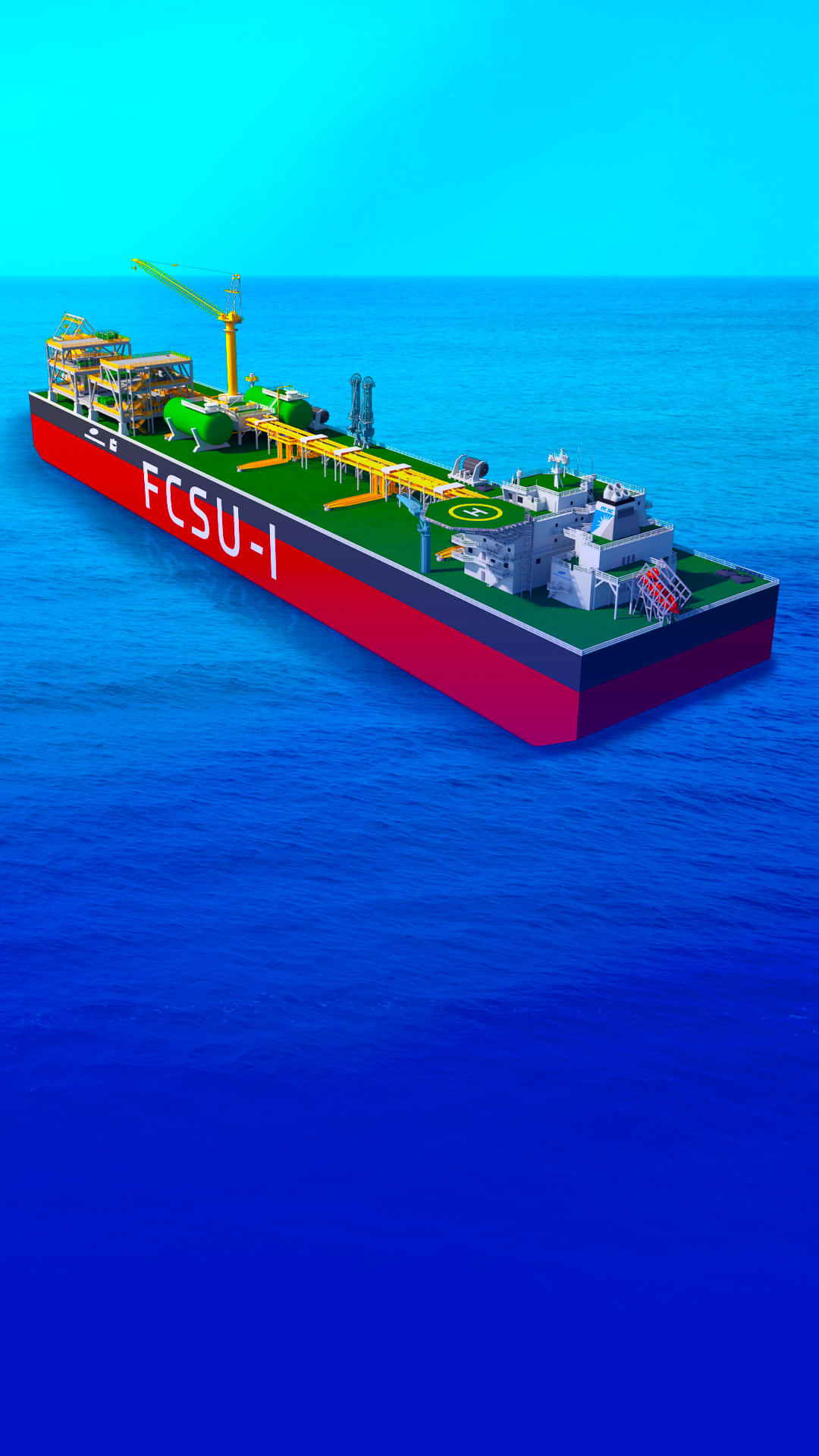
THE CARBON
AVENGER
Carbon has a new enemy.
Agile, versatile and adaptable, the new Floating CO2
Storage Unit (FCSU-i) from MISC, developed in
collaboration with Samsung Heavy Industries (SHI),
represents a significant innovation in the carbon
capture and storage (CCS) value chain. It is designed to
address the growing need for efficient CO2
storage and transportation, particularly in offshore
settings, and offers numerous advantages that unlock
potentials within the maritime industry.
The FCSU-i will operate both as an intermediate storage
unit and as an injection vehicle for offshore CO2
reservoirs, providing versatile solutions for different
stages of the CCS process. It is currently designed with
a storage capacity of 100,000 cubic meters and an
injection capacity of 5 million metric tons per annum
(MTPA). It's scalability making it adaptable to a wide
variety of CCS projects across the maritime sector.
Additionally, the FCSU-i can be deployed across multiple
depleted offshore oil and gas fields, providing a cost
efficient solution in the CCS value chain.
As such the FCSU-i will provide a flexible alternative
to pipeline infrastructure, allowing for seamless
maritime transportation and storage of CO2,
particularly when sequestration sites are not nearby.
Thus far, the FCSU-i has received an Approval in
Principle (AiP) from DNV, confirming its technical
feasibility and adherence to global CCS standards and
industry codes.
Future developments aim to integrate CO2
liquefaction facilities into the FCSU-i, further
increasing its utility by allowing for efficient storage
and handling of liquefied CO2 prior to
transportation.
The FCSU-i is pivotal in enabling the completion of CCS
value chain by offering an agile, versatile, and
scalable solution for carbon capture and storage. Its
deployment in offshore CO2 storage also
supports global decarbonization efforts, furthering the
industry's contribution to a sustainable future.
The FCSU-i, a true Carbon Avenger, is one of
MISC Group's Future Culture Heroes on the forefront of
the Group's vision to make the maritime industry more
sustainable - and supporting the development of CCS
value chain. Read about other Heroes
here.
THE CARBON
AVENGER
Carbon has a new enemy.
CAPTAIN FLOW
Controller of water flows, for smoother sailing all the way.
Pre-swirl Duct is an advanced,
energy-efficient device installed in front of a ship's
propeller. It combines a duct and fins to improve
water flow into the propeller, minimising drag while
enhancing a vessel's hydrodynamic performance. This
helps reduce fuel consumption, carbon emissions and
operational costs, providing both economic and
environmental benefits.
The
Pre-swirl Duct, aka
Captain Flow, is one of our
Future Culture Heroes, designed to
help MISC Group bring about a sea change in
environment sustainability. Read about our other
Heroes here.
THE GLIDER OF TIDES
Battles friction with a breath of fresh air.
If you've ever seen massive vessels gliding elegantly through waves, it's likely that they employ a sophisticated Air Lubrication Technology (ALS). This system works by reducing friction between a vessel's hull and the water by creating a layer of air bubbles under the vessels, enabling a vessel to move through water more seamlessly, reducing drag and resistance. In turn, this helps reduce fuel consumption and, by extension, lower CO2 emissions, making marine transportation more efficient, more cost-effective and more eco-friendly. The Glider of Tides is another way MISC Group is smoothening the way forward towards more sustainable maritime environments, and is one of our Future Culture Heroes.
THE MMEGA MARVEL
Towards leaner, greener deep-sea facilities.
What does the future of greener, more efficient, more
sustainable FPSOs look like? For MISC Group, it comes
in the form of the
Mega-Module Engineering & Green Architecture
(MMEGA), our future-ready
Newbuild Floating Production Storage & Offloading
(NBFPSO) Unit. The world's first newbuilt FPSO with innovative
mega-module topsides, that minimises interfaces and
improves system integration. This helps in reducing
the end-to-end build schedule and optimises capital
expenditure. It is a much-needed solution for
deepwater and ultra-deepwater fields with high
production capacity. MMEGA is also purpose-designed
with advanced sustainable technologies to help make it
among the world's greenest FPSOs.
Gas Flare Recovery System
This system is designed to capture and reuse gas that
would otherwise be flared (burned), reducing carbon
emissions and improving energy efficiency.
Waste Heat Recovery System
This component will capture excess heat generated by
operations and repurpose it to power other parts of
the FPSO, cutting down on the need for additional fuel
consumption.
CO2 Recovery Features
Carbon emissions from the well stream will potentially
be completely recovered for reinjection into the
reservoir, or repurposed for others, preventing
release into the atmosphere.
Energy-Efficient Power Generation
The MMEGA will employ more energy-efficient turbines
and generators, which reduce fuel consumption and
lower emissions, making the power generation process
more sustainable.
Water and Waste Treatment Systems
Advanced onboard systems will be incorporated to treat
produced water and handle waste more effectively,
preventing pollution and protecting marine ecosystems.
Together with an all-electric drive for
its compression system,
MMEGA is expected to reduce greenhouse gas
emissions by 40%
- among the highest reduction levels in the world -
and has been granted an approval-in-principle by the
American Bureau of Shipping (ABS) with Sustain-1
Notation. MMEGA is at the forefront of MISC Group's
vision to build a more sustainable maritime industry
and is one of our
Future Culture Heroes.
THE FANTASTIC FUEL
Electrifyingly clean power for the future.
A key pursuit in creating a more sustainable maritime
industry - and most industries in general - is the
pioneering of clean, renewable energy.
Green hydrogen
is one such source of energy, with bleeding-edge fuel
cell technology that can convert chemical energy into
electrical energy, potentially replacing traditional
engines that burn fuel.
Fuel cells
essentially work by generating electricity through a
chemical reaction between hydrogen and oxygen. The
hydrogen is supplied to the positive side of a fuel
cell, where it is split into protons and electrons.
The negatively charged electron move through a
circuit, generating electricity. After that, the
electrons combine with the protons and oxygen from the
air and leave behind the fuel cell's by-products -
water and heat.
This fantastically clean
source of energy is now being applied to parts of
vessels such as those governing auxiliary power,
reducing reliance on diesel generators. A key goal of
MISC Group is to use fuel cells to power a vessel's
main engines, therefore providing a more eco-efficient
alternative to conventional marine engines - and
enabling ships to become significantly more
environmentally-friendly.
The Fantastic
Fuel, one of MISC Group's
Future Culture Heroes, is set to
power the Group's ambition of creating more
sustainable maritime solutions for safer seas.
THE X FACTOR
The best of both worlds, for a greener world.
One vessel, two fuels. This is made possible by
WIN GD X-DF Engine technology, which
allows the
flexibility to switch between a traditional marine
fuel like diesel, and cleaner-burning Liquefied
Natural Gas (LNG). A dual-fuel system can help significantly lower
emissions and reduce fuel consumption, leading to more
sustainable marine transportation. The ability to
switch between two fuels also provides greater
operational versatility, particularly when operating
in regions with stricter regulations.
In
adopting WIN GD X-DF Engine technology, the MISC Group
fleet also benefit from the use of low-pressure LNG, a
factor that increases both safety and efficiency while
lowering operational costs and reducing maintenance
needs. This is further amplified by the effect of
cleaner combustion, which not only improves engine
performance but leads to less wear and tear,
prolonging engine life and reducing waste.
Additionally, WIN GD X-DF Engine engines release less
CO2, nitrogen oxides (NOx), sulphur oxides
(SOx), and particulate matter when running on LNG,
helping the Group meet international environmental
regulations such as the IMO 2020 sulphur cap.
As one of MISC Group's
Future Culture Heroes, this Dynamic
Duo is key to our plan to double down on
sustainability and bring safer seas to life.
THE ETHANE PARADIGM
The epitome of ethane excellence.
Powered by a cutting-edge
MAN B&W ME-GIE engine with
ethane-burning capabilities and an advanced
Pump Vaporizer Unit (PVU), our Seri E
class is one of the few vessels in the world capable
of burning ethane as fuel. Our six
Very Large Ethane Carriers (VLECs)
built by Samsung Heavy Industries and Hyundai Heavy
Industries for MISC Group is one of the largest ethane
carriers globally, incorporating with cryogenic tanks
designed to store liquefied ethane at extremely low
temperatures, maintaining its liquid state for safer,
more reliable transportation.
This vessel
also features a bevy of cutting-edge innovations such
as multi-gas deep well pumps, reliquefication plants,
and Boil-off Gas (BOG) compressors, which enhance the
efficiency of its GTT Mark III Membrane cargo
containment system. It also features an LNG-ready
notation and Selective Catalytic Reduction (SCR)
system to meet IMO Tier III emission standards. Its
advanced Gas Combustion Units (GCU) help safely burn
excess ethane gas to prevent venting in the
atmosphere, and its dual-fuel optimisation ensures
both operational efficiency and more eco-efficient
fuelling.
Along with a host of energy-efficient design
hallmarks, from its optimised hull shape to
biodiversity management features, the Seri E class
sets a new standard for cleaner, safer maritime
transportation, designed not just to deliver improved
fuel efficiency and regulatory compliance, but also to
significantly reduce environmental impact.
The Ethane Paradigm part of MISC Group's next wave of
pioneering vessels, one of its
Future Culture Heroes dedicated to
creating all-new paradigms in maritime sustainability.
THE ALL-ENCOMPASSING HEART
Champion of biodiversity and conservation.
Inspired by the ocean and built on a love for its
biodiversity, The All Encompassing Heart is
personified in MISC Group's flagship
Heart of the Ocean programme,
dedicated to safeguarding the well-being of our marine
environment, rooted on the profound understanding of
the ocean and how humanity relates to it in order to
protect and sustain it. Central to this programme are
two key conservation efforts:
the
Mersing Islands Reef Conservation Initiative with
Reef Check Malaysia (RCM)
and
the
UMT-MISC Marine Sea Turtle Conservation
Initiative. These signature projects focus on
protecting vital marine species and ecosystems,
aligning MISC Group's objectives with the global
agenda for ocean sustainability.
The Mersing Islands Reef Conservation
Initiative
is designed to halt the further degradation of coral
reefs around the Mersing Islands, located off the east
coast of Malaysia. Coral reefs are crucial ecosystems,
providing habitats for diverse marine species,
protecting coastlines from erosion, and supporting
local economies through tourism and fishing. However,
threats like climate change and anthropogenic factors
such as pollution, and overfishing have impacted the
health of these reefs.
As part of this initiative, we engage in extensive
reef monitoring, ghost-net and underwater clean up,
coral rehabilitation efforts and recommendation of
proper solid waste management for the island
community. A critical component of the Mersing Islands
initiative is local community involvement, where we
work closely with island communities, tourism
operators, and schools.
Another key initiative, a collaboration between
MISC Marine and
Universiti Malaysia Terengganu (UMT),
focuses on the conservation of sea turtles. Sea
turtles are a keystone species in marine ecosystems,
but they are critically endangered due to factors such
as habitat destruction, accidental capture in fishing
gear, and pollution. One of the most significant
efforts of this initiative is improving and increasing
the survival rates of hatchlings from predators and
human interference. In addition to the conservation
work, the initiative also focused on educating the
public on the importance of sea turtle conservation.
A snapshot of our impact through these
initiatives include:
The All-Encompassing Heart is at the centre of MISC
Group's mission to preserve the well-being of our
oceans and bring to life safer seas for everyone. It
is also one of the Group's Future Culture Heroes.
THE BEST OF TWO WORLDS
Smarter fueling for greener futures.
MISC Group shifted to adapt LNG as a cleaner fuel
since 2018. This has led to the creation and
implementation of
dual-fuel technology -
which ostensibly allows ships to operate using two
types of fuel, a conventional marine fuel and cleaner
alternatives like LNG, with a seamless switch between
the two based on operational needs. Dual-fuel
technology brings with it a host of advantages,
including a significant reduction of carbon dioxide
(CO2), sulfur oxides (SOx), and nitrogen
oxides (NOx) emissions when using LNG. The use of LNG,
which emits approximately 20-30% less CO2
compared to conventional marine fuels, is a key
component in meeting the International Maritime
Organization (IMO) 2030 and 2050 decarbonisation
targets.
Additionally, the combination of LNG and advanced
engine design enhances overall fuel efficiency,
leading to lower fuel consumption and improved
cost-effectiveness. Dual fuel engines are built to
adjust combustion parameters automatically, ensuring
optimal performance regardless of the fuel type being
used. The adoption of this technology also ensures
continued operation even if one fuel system becomes
unavailable or if one type of fuel is more expensive
or scarce in a given port. Apart from that, this
flexibility also allows vessels to use LNG in areas
where emissions are strictly regulated (such as
Emission Control Areas or ECAs) while retaining the
ability to switch to diesel in regions where LNG
infrastructure is still limited.
The Best of Two Worlds, embodied in advanced dual-fuel
technology, is one of MISC's
Future Culture Heroes and a
pioneering innovation spearheading more sustainable
maritime operations.
THE DEEPWATER SENTINEL
Leading the way in deepwater decarbonisation.
FPSO Marechal Duque de Caxias is one
of the world's largest and most advanced
ultra-deepwater
Floating Production Storage and Offloading
(FPSO)
units of its kind. Designed for operations in Brazil's
pre-salt fields, this FPSO exemplifies cutting-edge
technology and sustainability in the offshore oil and
gas industry.
Its key characteristics
include:
Massive Capacity: The FPSO has a
production capacity of 180,000 barrels of oil per day
(bopd) and can store up to 1.4 million barrels of
crude oil, making it one of the largest FPSOs of its
kind globally.
Ultra-Deepwater Capability: Operating
in water depths of over 2,000 meters, it is engineered
to extract resources from challenging deepwater
environments.
Gas Reinjection and CO2
Handling:
Equipped with advanced gas reinjection systems and
carbon capture technologies including Water
Alternating Gas (WAG) reinjection technology, it
reinjects excess natural gas and recovered CO2
back into reservoirs, significantly reducing
greenhouse gas emissions.
Energy Efficiency: Incorporates
high-efficiency power generation systems, reducing
fuel consumption and minimising the carbon footprint
of offshore production.
FPSO Marechal Duque de Caxias sets a
new benchmark for sustainable offshore operations,
showcasing how innovative technology can make
ultra-deepwater projects more efficient and less
harmful to the environment.
Through
advanced gas reinjection and CO2
handling technology, the FPSO minimises flaring and overall emissions,
making deepwater oil production more
environmentally friendly. Advanced energy-saving systems onboard lower fuel
to power ratio, aligning with global efforts to
decarbonise the offshore/maritime industry.
Additionally, by integrating smart features such as
predictive maintenance systems and advanced process
automation, MISC aims to optimise the operational
lifecycle of the FPSO.
By doing this,
FPSO Marechal Duque de Caxias
influences the broader offshore, maritime and energy
industries by promoting the adoption of cleaner, more
responsible production practices, driving
sustainability across the entire value chain of
offshore energy projects.
The Deepwater
Sentinel extends MISC's sustainability efforts into
deepwater environments, expanding its reach and impact
on the global maritime industry as one of the Group's
Future Culture Heroes.
THE CARBON AVENGER
Carbon has a new enemy.
Agile, versatile and adaptable, the new
Floating CO2 Storage Unit (FCSU)
from MISC, developed in collaboration with Samsung
Heavy Industries (SHI), represents a significant
innovation in the carbon capture and storage (CCS)
value chain. It is designed to address the growing
need for efficient CO2 storage and
transportation, particularly in offshore settings, and
offers numerous advantages that unlock potentials
within the maritime industry.
The FCSU-i will operate both as an
intermediate storage unit and as an injection vehicle
for offshore CO2 reservoirs, providing
versatile solutions for different stages of the CCS
process. It is currently designed with a storage
capacity of 100,000 cubic meters and an injection
capacity of 5 million metric tons per annum (MTPA).
Its scalability makes it adaptable to a wide variety
of CCS projects across the maritime sector.
Additionally, the
FCSU-i
can be deployed across multiple depleted offshore oil
and gas fields, providing a cost efficient solution in
the CCS value chain.
As such the FCSU will provide a
flexible alternative to pipeline infrastructure,
allowing for seamless maritime transportation and
storage of CO2, particularly when
sequestration sites are not nearby. Thus far, the
FCSU-i has received an
Approval in Principle (AiP) from DNV, confirming its technical feasibility and adherence
to global CCS standards and industry codes.
Future developments aim to integrate CO2
liquefaction facilities into the FCSU, further
increasing its utility by allowing for efficient
storage and handling of liquefied CO2 prior
to transportation. The FCSU is
pivotal in enabling the completion of CCS value chain
by offering an agile, versatile, and scalable solution
for carbon capture and storage. Its deployment in
offshore CO2 storage also supports global
decarbonization efforts, furthering the industry's
contribution to a sustainable future. The FCSU, a true
Carbon Avenger, is one of MISC Group's
Future Culture Heroes on the
forefront of the Group's vision to make the maritime
industry more sustainable - and supporting the
development of CCS value chain.